A Complete Guide to 12V Train Horn Kits for Vehicles


Intro
In automotive circles, 12V train horn kits have gained significant attention. These kits offer a powerful auditory upgrade, ensuring that vehicles are heard clearly on the road. Whether a truck, car, or any other vehicle, the inclusion of a train horn can enhance safety and provide a unique sound. This article will explore critical aspects of these kits, addressing specifications, installation, and performance.
Product Overview
Brief Description
12V train horn kits typically consist of an air horn, compressor, tubing, and all necessary mounting hardware. Designed to operate on a 12-volt electrical system, these kits produce a sound similar to a train, significantly louder than standard vehicle horns.
Key Features
- Loud Sound Output: Most kits can reach over 150 decibels, making them one of the loudest options available.
- Durability: Constructed from materials that withstand weather and road conditions, these horns are built to last.
- Varied Sound Options: Many kits offer different horn tones to suit personal preferences.
Available Variants
Different brands produce various styles and configurations of 12V train horn kits. Options range from single-tone horns to multi-tone setups, ensuring that users can find a kit that meets their specific needs.
Specifications Breakdown
Technical Specifications
Most kits use an electric compressor powered directly from the vehicle's battery. The compressor pressurizes air, which is then released through the horn. The average operating pressure ranges between 100 to 120 PSI.
Performance Metrics
- Sound Output: Typically varies between 125 dB to 150 dB.
- Power Consumption: Generally consumes between 5 to 30 amps.
- Mounting Options: Kits often come with brackets for various installation setups.
Compatibility Information
12V train horns are designed for universal fit across most vehicles. However, users should verify electrical and mounting compatibility with their specific vehicle make and model to ensure proper integration.
Comparative Analysis
Competing Products
Brands like HornBlasters, Vixen Horns, and Kleinn Air Horns dominate the market. Each offers distinct features and price points, appealing to different user needs and budgets.
Strengths and Weaknesses
- HornBlasters: Known for exceptional durability and sound quality but can be on the more expensive side.
- Vixen Horns: Offers good performance at lower price points but may lack in customer support.
- Kleinn Air Horns: Provides innovative designs, yet some models are less powerful than competitors.
Price Comparison
Prices for kits typically range from $50 to $300, depending on brand and features. Higher-end kits may offer additional components or enhanced sound quality.
Buying Guide
Target User Profiles
These kits target a wide audience, including truck enthusiasts, off-road vehicle owners, and those looking to modify their rides for fun or safety.
Important Considerations
- Power Source: Ensure the vehicle's electrical system supports the kit’s requirements.
- Installation Space: Check if there’s sufficient room to install the compressor and horn.
- Sound Preferences: Decide on the tone since some users may prefer a traditional horn sound, while others may want something distinctive.
Insider Tips for Buyers
- Always review user ratings and testimonials before purchasing.
- Look for discounted package deals that include compressors and mounting kits.
- Consult forums or groups on Reddit for firsthand user experiences and recommendations.
Maintenance and Upgrade Insights
Regular Maintenance Practices
To maintain optimal performance, check air supply lines for leaks and inspect connectors for corrosion every few months.
Upgrade Paths and Options
Consider upgrading the compressor for extended air supply or adding additional horns to increase sound output.
Troubleshooting Common Issues
Resolving common issues often revolves around the electrical system. If the horn fails to sound, check the fuse, wiring connections, and power supply.
A well-maintained 12V train horn kit not only improves sound quality but can also enhance the overall safety of driving.
Understanding 12V Train Horn Kits
Understanding 12V train horn kits is important for anyone interested in enhancing their vehicle's auditory output. These kits provide a powerful sound solution that can elevate driving experiences. They serve not just practical functions but also amplify the presence of a vehicle on roads. Knowing how they work and their suitability for different applications can significantly affect users' choices.
Definition and Functionality
A 12V train horn kit comprises several key components: an air compressor, the horns themselves, and usually various wiring elements. The air compressor generates high-pressure air, which travels through the system and produces a robust sound when released through the horn assembly. The sound can be likened to that of an actual train horn, resulting in a striking auditory effect. This powerful sound output is often used as a warning signal, ensuring increased safety on roads. In essence, the principal functionality centers around creating a loud, attention-grabbing noise that can be crucial in certain situations.
Common Uses in Automotive Applications
Common uses of 12V train horn kits in automotive settings span across various types of vehicles. They are prevalent among truck enthusiasts and off-road vehicle owners who wish to assert their presence on the road. Additionally, these kits can serve practical purposes such as alerting pedestrians or other drivers in emergency scenarios. They have also gained popularity among car modding communities, where owners aim to personalize their vehicles.
Some notable applications include:
- Trucks and Heavy-Duty Vehicles: Enhancing visibility and alerting others on busy highways.
- Off-Road Vehicles: Providing powerful sound capabilities in rugged terrains.
- Classic and Custom Cars: Adding a unique touch to restoration projects.
12V train horn kits offer a blend of functionality and style, making them a valuable accessory for many automotive enthusiasts.
Key Components of Train Horn Kits
Understanding the key components of train horn kits is vital for achieving optimal performance and sound quality. Each element plays a significant role in the functionality of the overall system. This section will delve into the specific components that make up a train horn kit, highlighting their benefits and considerations for selection.
Air Compressor Systems
Air compressor systems are the backbone of 12V train horn kits. They supply the necessary air pressure needed to produce the loud, commanding sound characteristic of train horns. The compressor works by drawing in air and compressing it into the air storage tank. This process is essential because the higher the pressure, the louder the horn can sound.
Key benefits of air compressor systems include:
- Quick Air Supply: The systems can recharge quickly, providing instant sound output when triggered.
- Adjustable Pressure: Many compressors allow users to adjust the pressure settings based on their needs, which provides versatility.
- Durability: Quality compressors are typically built to withstand harsh conditions, making them suitable for outdoor and rugged environments.
However, there are considerations to keep in mind, like the size of the compressor and its power requirements. Choose a compressor that fits your vehicle and meets the demands of the horn system.
Horn Assembly Types
Train horns generally come in various assembly types, each with its unique sound profile and mechanical configuration. Horn assemblies are what produce the actual sound and vary in terms of design, material, and sound frequency. The three primary types of horn assemblies are:
- Single-Tone Horns: These produce one distinct sound and are straightforward to install.
- Dual-Tone Horns: These have two distinct sounds, creating a richer auditory experience. They require precise tuning for optimal function.
- Multi-Tone Horns: These produce a variety of sounds, providing a wide range of auditory effects suitable for diverse applications.
When selecting a horn assembly, consider the acoustic properties and the intended use. High-quality horns made from durable materials will withstand environmental stressors and provide consistent performance.
Control Wiring and Switches
Control wiring and switches are critical for the effective operation of train horn kits. They connect the air compressor and the horn assemblies, allowing the user to control the sound output easily. The wiring includes power cables, relay connections, and fuse setups, which guide electrical flow from the vehicle battery to the horn.
- Durability: Use wiring rated for automotive applications to withstand high temperatures and vibrations.
- Ease of Installation: Ensure the switch circuitry is straightforward, allowing for seamless integration into the vehicle.
- Safety Features: Incorporate safety measures like fuses to prevent electrical overload, preserving the integrity of the system.
A well-designed control system ensures reliable performance and enhances user experience, making it pivotal for those looking to upgrade their automotive sound systems.
Proper understanding of these components leads to better performance and longevity of your 12V train horn kit.
Advantages of Using 12V Train Horn Kits
Installing a 12V train horn kit offers significant benefits. These advantages are not merely aesthetic; they enhance functionality and user experience. Here, we will explore the core reasons why these kits are sought after by automotive enthusiasts and casual users alike.
Enhanced Sound Output
One of the foremost benefits of 12V train horn kits is their sound output. These horns produce a commanding sound that easily surpasses stock automotive horns. The high decibel level ensures that your vehicle is heard in noisy environments. Whether navigating through busy streets or in rural areas, the power of a train horn can serve as a critical safety feature. The sound travels farther, making you more noticeable to pedestrians and other drivers. Many users report feeling a sense of security, knowing that their horn can effectively communicate in critical situations.
Diverse Range of Tonal Qualities
12V train horns are available in various tonal qualities that can significantly impact the auditory experience. The diversity ranges from classic horn sounds to more modern variations. This offers users the opportunity to customize their vehicle's auditory signature. Some prefer a deep, resonant blast, while others may choose a more piercing tone for added presence. The choice of sound can reflect personal style and preference. Furthermore, the ability to choose different horns allows users to adapt to different environments and scenarios, enhancing both functionality and driver satisfaction.
Durability and Reliability
When it comes to automotive accessories, durability is a critical factor. 12V train horn kits are built with robust materials designed to withstand various weather conditions and environmental challenges. Unlike standard car horns which may corrode or degrade over time, these kits are often made from high-quality metals and plastics, ensuring they stand the test of time. Their reliability means fewer replacement costs and less maintenance effort.
In summary, the advantages of using 12V train horn kits extend beyond simple sound enhancement. They offer increased safety through enhanced sound output, a variety of tonal choices for personalization, and the assurance of durability and longevity. These factors combine to create a compelling case for their installation in modern vehicles.
Installation Process
The installation process of a 12V train horn kit holds significant relevance for users who seek to enhance their vehicle's auditory capabilities. Proper installation ensures optimal functionality, safety, and longevity of these horn kits. Without the right approach, problems may arise, leading to subpar performance or even hazards while operating the vehicle. For these reasons, it becomes essential to address specific elements such as preparation, proper mounting, and ensuring correct electrical connections.
Preparing for Installation
Before carrying out the installation, thorough preparation is vital. Consider the following elements:
- Tools and Equipment: Gather necessary tools, including wrenches, screwdrivers, and a multimeter for electrical testing.
- Kit Components: Check the completeness of your train horn kit. Confirm that you have the air compressor, horn assemblies, tubing, and necessary connectors.
- Installation Location: Identify a suitable location on the vehicle for mounting the horn. Ensure it is an area with enough space and away from heat sources.
- Safety Measures: Disconnect the vehicle battery to avoid any electrical shock or short circuits during installation.
Completing this preparation phase can save time and prevent frustration down the line.
Mounting the Horn
Mounting the horn correctly is a crucial step in the installation process. Here are important considerations:
- Positioning: Ideally, mount the horns in an exposed area, using adequate space for sound projection. Note the direction of the horns; they should face outward for maximum sound output.
- Using Hardware: Utilize the brackets and hardware included in the kit. Ensure that the mount is secure to withstand vibrations from the vehicle during operation.
- Height Placement: Aim for a height that keeps the horn not too low to avoid damage and not too high to diminish sound quality. Place at least slightly above the bumper line.
Properly mounting the horn enhances its efficacy, allowing it to project sound effectively while avoiding obstacles.
Electrical Connections and Testing
After mounting, focus on electrical connections. This step is crucial to ensure the functionality of the train horn:
- Connect the Air Compressor: Ensure the air compressor is properly connected to the battery using appropriate wiring. Be cautious of polarity; connect positive to positive and negative to negative.
- Install Control Switch: Install the control switch in a convenient location in the passenger cabin. This will allow easy access to sound the horn when needed.
- Testing the Setup: Once connections are secure, reconnect the vehicle’s battery. Conduct testing by activating the horn using the control switch. Ensure that all components function correctly without any buzzing or irregular sounds.
Proper electrical connections lead to reliable operation, allowing for instant sound output when required. An incorrect setup can result in malfunctioning or even damage to the components.
"The installation process of a 12V train horn kit should not be rushed. Proper steps lead to effective sound output and vehicle safety."
Compatibility Considerations
Understanding compatibility is essential when choosing a 12V train horn kit. The right kit will ensure optimal performance and integration with your vehicle. Failure to assess compatibility can lead to functionality issues, which may result in an unsatisfactory experience.
Vehicle Types and Requirements
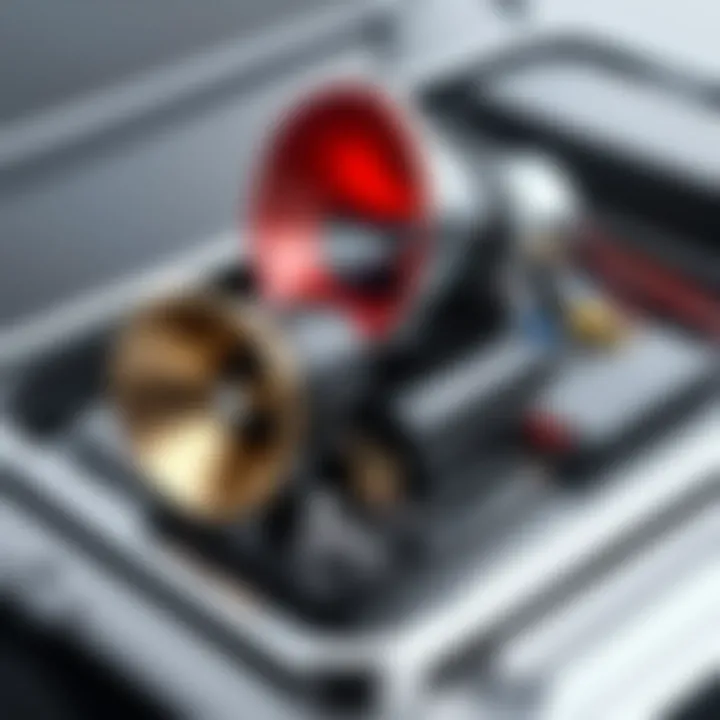
When selecting a 12V train horn kit, identifying the type of vehicle is critical. Various vehicles come with different electrical systems and space constraints. While trucks and SUVs often have more space and capacity to support larger horn assemblies, smaller cars require more compact options.
It's also important to consider the following elements:
- Mounting Points: Ensure your vehicle has adequate mounting locations for the horn assembly. The lack of suitable attachment points can complicate installation, requiring additional modifications.
- Suspension Tolerance: Some vehicles have a delicate suspension system which might be negatively affected by the weight of a heavier horn. Ensure that your chosen kit does not exceed your vehicle's weight limits.
- Existing Electrical System: Verify if your vehicle's electrical system can handle the power requirements of the horn kit. For instance, consider whether your alternator can sustain the increased load while running other electrical components of the car.
Voltage Specifications and Limitations
Voltage specifications are another element that significantly influences compatibility. Most train horns operate on a nominal 12V DC system, but understanding the exact requirements is essential for reliable functionality.
- Current Draw: It’s crucial to evaluate how much current the horn will draw. If your system cannot provide enough current, the horn may operate poorly or not at all.
- Surge Protection: Some kits feature surge protectors to prevent voltage spikes from damaging the horn or electrical components. Not all systems come with this feature, hence looking for this safety option can be beneficial.
- Limitations: If you plan on using the horn kit in a vehicle with specific electronics, ensure those systems can tolerate the voltage fluctuations caused by high-power horns.
In summary, ensuring the compatibility of a 12V train horn kit with your vehicle and its electrical system helps you avoid potential installation issues. A careful assessment of your car’s specifications will lead to a more satisfying upgrade experience.
Performance Metrics
Performance metrics play a critical role in evaluating the effectiveness and suitability of 12V train horn kits. Understanding these metrics allows enthusiasts and consumers to assess how a particular horn kit will perform in real-world situations. Factors such as sound pressure level (SPL) and actuation speed directly influence the usability and impact of the horn in various scenarios. Properly analyzing these metrics can enhance the user's satisfaction and ensure that the chosen kit meets the desired standards for performance.
Sound Pressure Level (SPL)
Sound Pressure Level, commonly referred to as SPL, is a pivotal measurement that determines how loud a train horn can be. Measured in decibels (dB), SPL represents the intensity of the sound produced, which relates directly to its ability to capture attention. For automotive applications, a higher SPL rating is generally preferred, as it ensures better visibility and audibility in noisy environments.
Several factors influence the SPL of a train horn kit:
- Horn Size: Larger horns typically generate louder sounds due to their increased air displacement.
- Design: The shape and internal configuration of the horn can optimize sound output.
- Air Compressor: The efficiency and power of the air compressor also impact the overall sound pressure.
A robust SPL rating can make a significant difference in safety, particularly for larger vehicles and those operating in busy areas.
Response Time and Actuation Speed
Response time and actuation speed are essential metrics in assessing how promptly a train horn responds to input commands. These metrics are particularly vital during emergency situations where immediate auditory signaling can prevent accidents. In a 12V train horn kit, the actuation process starts from when the driver presses the horn switch to when the sound is produced.
Key aspects to consider regarding response time and actuation speed include:
- Compressor Reaction: Faster compressors minimize the delay in sound production.
- Switch Sensitivity: A well-designed switch provides quicker activation.
- Air Dynamics: Effective airflow pathways within the horn design can lead to quicker sound emissions.
Safety Considerations
When integrating a 12V train horn kit into any vehicle, understanding the safety considerations associated with their use is critical. This is not only about ensuring the reliable operation of the horn itself but also involves compliance with local laws and promoting safe driving practices. Factors like noise regulations and proper usage guidelines play a significant role in preventing undesired consequences.
Noise Regulations
Noise regulations aim to control the volume levels produced by vehicle horns. They exist to minimize disruption in public spaces and maintain a standard for sound emissions. Each region or municipality may have specific restrictions regarding the decibel levels permitted for automotive sound devices. It is essential to check local laws and ensure that the installed train horn does not exceed the allowable noise output.
Violations of these regulations can result in fines or legal trouble. In addition, operating a horn that is too loud for the environment can create tension with nearby residents or other road users. Therefore, it is prudent to select a horn kit that emphasizes compliance with these limitations.
There are numerous resources available to educate oneself on the relevant noise regulations. Checking information on local government websites or forums like reddit.com for shared experiences by other users can provide insights about specific area rules.
Proper Usage Guidelines
Using a 12V train horn appropriately is just as important as choosing one that meets regulatory standards. Improper use can produce negative consequences, both legally and socially.
Here are some guidelines to follow for responsible usage:
- Avoid unnecessary honking: Use your horn only to alert other drivers of potential hazards or when necessary for safety.
- Awareness of environment: Be conscious of where you are using your horn. Residential areas, school zones, or places with heavy pedestrian traffic are not ideal for loud honks.
- Respect driver etiquette: Engaging in excessive honking can lead to road rage incidents and negative reactions from other motorists. It is important to consider the impact of the sound on those around you.
- Honk sparingly: Reserve the horn use for genuine safety concerns rather than as a response to frustrating driving situations.
- Educate passengers: If you are driving with others, explain the importance of using the horn correctly and the potential repercussions of misuse.
Practicing these guidelines can promote a safer environment for all road users and create a more positive experience when utilizing your 12V train horn kit. The focus should always be on enhancing safety rather than creating disturbances.
The integration of train horns into your vehicle should align with both safety and legal standards to ensure optimal use and compliance.
By understanding and addressing these safety considerations, vehicle owners can responsibly enjoy the benefits that a 12V train horn kit can bring.
Maintenance of Train Horn Kits
Maintaining 12V train horn kits is crucial for ensuring their longevity and optimal performance. Regular maintenance can prevent unexpected issues and enhance the auditory experience, which is essential for both safety and enjoyment. Investing time in maintenance can also save costs associated with repairs or replacements down the line.
Regular Inspection Practices
Conducting regular inspections on your train horn kit helps identify any wear and tear before they escalate into larger problems. Here are some specific practices to consider:
- Visual Inspection: Check the entire system for physical damage, rust, or leaks. Inspect hoses and fittings to confirm they are secure and in good condition.
- Sound Quality Testing: Listen for any abnormalities in sound output. A change in the tone or volume may indicate an issue that needs addressing.
- Check Air Pressure: Ensure that the air compressor is functioning properly and maintaining adequate pressure levels. Insufficient pressure can lead to poor horn performance.
- Electrical Check: Test the wiring and switch connections. Loose connections can cause intermittent issues that are hard to trace.
Regularly scheduled inspections not only maintain functionality but also enhance the overall experience with the horn kit.
Troubleshooting Common Issues
Despite diligent maintenance, issues may still arise with 12V train horn kits. Here are some common problems and their solutions:
- Horn Not Sounding: If the horn fails to sound, check if the compressor is operating. Ensure that the power supply is connected and functional. It could be an electrical issue as well.
- Weak Sound: This can often be linked to inadequate airflow. Inspect the air compressor function and ensure there are no blockages in the horn assembly or air lines.
- Persistent Leaks: Leaking air lines can cause performance issues. Identify the source of the leak and replace the damaged components immediately.
- Inconsistent Firing: If the horn works intermittently, inspect the control wiring and switch for damage or corrosion. Tighten any loose connections.
By addressing these common issues promptly, users can maintain the operational effectiveness of their train horn kits, ensuring Safe and robust sound output.
Quote:
Popular Brands and Models
Selecting a train horn kit requires understanding the various options available in the market. Popular brands and models play a pivotal role in ensuring that consumers make informed choices. The reputation and reliability of a manufacturer can significantly impact the performance and longevity of train horns. Moreover, certain brands may specialize in specific features, which may cater to unique customization needs or auditory preferences.
Top Manufacturers in the Market
In the realm of 12V train horn kits, several manufacturers stand out due to their dedication to quality and innovation. Recognizing these top manufacturers helps buyers identify products that are not only reliable but also compatible with their vehicles:
- Kleinn Automotive: Known for their robust sound systems, Kleinn offers a variety of models suited for different applications. Their train horns are often praised for installation ease and operational efficiency.
- Wolo Manufacturing: Renowned for its versatile automotive accessories, Wolo's train horns provide powerful sound output and diverse tonal qualities, making them favorites among enthusiasts.
- Vixen Horns: Vixen offers high-quality horns with a focus on design and acoustic performance. Users appreciate the distinctive sounds produced across various models.
- Dakota Digital: They specialize in quality audio solutions and provide electronic train horn kits that are easy to control and install.
Each of these brands offers distinct features, letting consumers choose based on preferences like sound quality, ease of installation, and price ranges.
Comparative Analysis of Featured Models
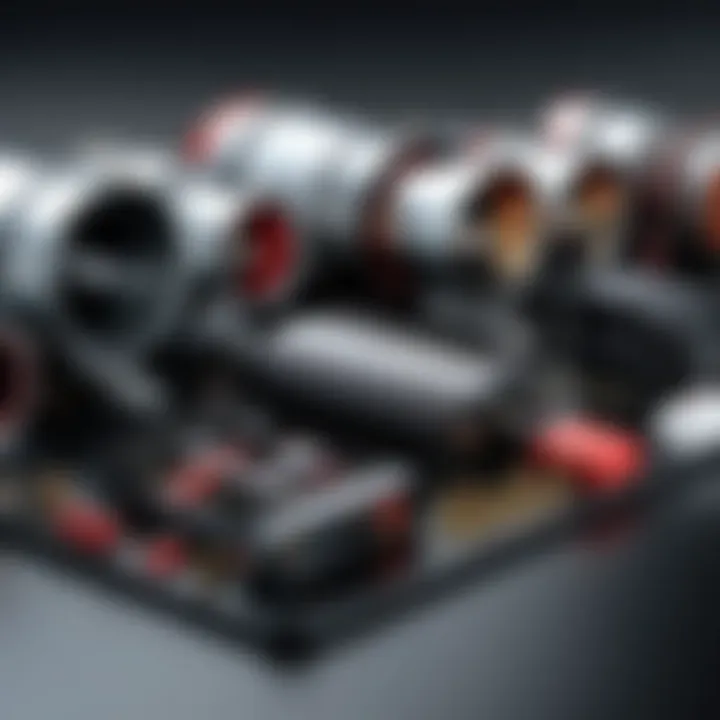
When comparing specific models from these manufacturers, it’s important to evaluate elements like sound output, durability, and ease of installation. Here’s a breakdown:
- Kleinn Model 100: Features a 148 decibel output, which guarantees an ear-catching sound. This model is also noted for its compact design, suitable for various vehicles.
- Wolo Model 836: Offers a modular design that allows for dual-tone operation. It is designed for durability, with weather-resistant materials that can withstand the elements.
- Vixen Horns VXD-350: Excels in creating a unique sound profile that differentiates it from competitors. It requires a slightly more complex installation but is worth it for users prioritizing sound quality.
- Dakota Digital VHR-100: Comes with electronic controls that simplify operational mechanics, appealing to those who prefer a high-tech approach. It delivers reliability and quick response times.
Choosing the right model involves more than just the sound level; factors like installation complexity and durability also matter greatly.
Purchasing Considerations
When considering a 12V Train Horn Kit, several factors influence the purchasing decision. Understanding these considerations can help ensure you make a choice that aligns with your specific needs and enhances your vehicle's auditory appeal. Key elements include price range, product quality, and where to buy, all of which play a crucial role.
Price Range and Value Assessment
Price is often a primary factor in consumer decisions. 12V train horn kits vary widely in cost, ranging from budget options to more expensive, high-end models.
- Budget Kits: These are often lower in both sound quality and durability. They serve basic functions, usually sufficient for casual users. Prices for these kits typically range from $50 to $100.
- Mid-Range Kits: Priced between $100 and $200, these kits tend to offer better sound quality and durability. They might include features such as more powerful compressors and various tonal options, making them ideal for serious enthusiasts.
- Premium Kits: For those willing to invest $200 or more, premium kits provide advanced features, superior construction, and often a wider range of sounds. They are suitable for users who seek a professional-grade product with excellent performance and reliability.
Evaluating value means looking beyond just the price. Consider the warranty, customer support, and user reviews. A slightly higher initial price could be more valuable in the long run if the kit lasts longer and functions better.
Where to Buy
Selecting the right retailer is important. Several options exist for purchasing 12V train horn kits:
- Online Retailers: Websites like Amazon, eBay, and specialized automotive accessory sites provide a wide selection and competitive pricing. They often include user reviews which can offer insight into the product's real-world performance.
- Local Automotive Stores: Visiting a physical store can be beneficial for those who prefer to see products before buying. Stores like AutoZone or O'Reilly Auto Parts often stock various kits and can offer immediate assistance with questions or installation guidance.
- Dealerships: Some vehicle manufacturers offer compatible horn kits designed specifically for their models. While typically more expensive, these kits ensure compatibility and often come with a solid warranty.
- Forums and Community Recommendations: Platforms such as Reddit or specialized car forums can be excellent resources. Engaging with the community can yield recommendations based on firsthand experiences.
It is essential to evaluate both price and source when purchasing a train horn kit. The right choice can enhance your vehicle’s auditory presence significantly.
Overall, being informed about price ranges and knowing where to find reliable products leads to better purchasing decisions. Doing proper research can save both time and money, ensuring that you select a kit that meets your expectations.
User Reviews and Experiences
User reviews and experiences play a vital role in assessing the effectiveness of 12V train horn kits. Feedback from actual users provides practical insights that can influence potential buyers. It offers a glimpse into the real-world applications and performance of these products. The subjective nature of user experiences helps to highlight aspects that may not be covered by manufacturers.
Consumer Feedback Analysis
When examining consumer feedback, various factors emerge that are crucial for evaluation. Many users focus on ease of installation, sound quality, and durability. Positive reviews often mention how straightforward the installation process is and emphasize the audible impact these horns provide.
For instance, users frequently list the following benefits:
- Sound Output: Many consumer reviews applaud the powerful sound these kits produce. Users describe it as attention-grabbing and effective in alerting other drivers.
- Durability: Reviews often highlight the robustness of the components, especially under various weather conditions.
- Value for Money: Several reviewers indicate that the investment in a train horn kit is justified by its performance and longevity.
Negative feedback, while less frequent, sheds light on potential issues. Some users raise concerns about:
- Installation Complexity: A portion of users report challenges during installation, especially if clear instructions are lacking.
- Performance Deviation: A few individuals experience discrepancies in sound output compared to the product claims.
This combination of positive and critical reviews helps buyers make informed choices based on the lived experiences of others.
Case Studies of Application
Case studies provide detailed examples of how 12V train horn kits have been utilized in various settings. One notable application is in off-road vehicles. Users frequently report that installation of these kits enhances safety during outdoor excursions. Off-road drivers often struggle to attract attention in rugged terrain. They find that train horns serve as effective safety devices, warning others in blind spots.
Another case study can be seen within emergency vehicles. Some users modify their trucks or SUVs for response activities. They share positive feedback about how fitted horn kits significantly enhance their visibility and alert other drivers to their presence.
In the transportation sector, certain fleet vehicles have incorporated train horn kits. Fleet managers attribute increased safety during deliveries to the loud and distinctive sound of the horns. Drivers feel more secure, knowing they can signal their approach distinctly on busy streets.
The experiences drawn from these cases further underscore the practical advantages of adopting 12V train horn kits in diverse settings, showcasing their adaptability and effectiveness.
Future Trends in Train Horn Kits
The landscape of 12V train horn kits is continuously evolving, influenced by advancements in technology and changes in consumer preferences. Understanding these future trends is crucial for anyone looking to enhance their vehicle's auditory experience. Several elements play significant roles in these developments, addressing both performance and user satisfaction.
Technological Innovations
Recent years have seen remarkable technological innovations that reshape train horn kits. One notable trend is the integration of smart technology. Manufacturers are now incorporating Bluetooth connectivity, allowing users to control horn functions from their smartphones. This feature not only enhances convenience but also opens avenues for customizing sound profiles, thereby catering to individual preferences.
Another important advancement is in audio clarity and sound range. Improved materials and engineering techniques enable manufacturers to create horns that produce clearer and more vibrant sounds. This delivers a more robust auditory experience, making these horns more appealing to automotive enthusiasts.
Additionally, energy efficiency has become a priority. New models are designed to consume less power while delivering enhanced performance. This makes them more compatible with modern vehicles, which often have limited battery capacities. As consumers become more environmentally conscious, the demand for such energy-efficient products is likely to increase.
Market Developments
The market for 12V train horn kits reflects significant changes, paralleling broader trends in the automotive industry. One major development is the shift towards customization. Consumers now seek products that not only fulfill functional requirements but also allow for personalized expression. Manufacturers are responding to this demand by offering kits that include various horn styles and sound options.
Moreover, the competition in the market has intensified, encouraging brands to focus on quality and innovation. New players emerge regularly, providing unique designs and features that appeal to niche markets. This competition leads to better products at various price points, making train horn kits accessible to a broader range of consumers.
The growth of online shopping also influences market trends. Increased access to numerous brands and models through e-commerce platforms enables consumers to make informed choices through extensive reviews and comparisons.
As technological advancements continue, the integration of smart features and customization options is likely to define the future of train horn kits, ensuring they remain desirable for automotive enthusiasts.
The End
The conclusion of this article serves to encapsulate the vital considerations surrounding 12V train horn kits. These components not only enhance the auditory experience of vehicles but also offer significant advantages in terms of safety and visibility on the road. Understanding the functionalities, installation requirements, and performance metrics is crucial for both new buyers and experienced enthusiasts.
The relevance of 12V train horn kits extends beyond mere sound enhancement. They can aid in alerting pedestrians and other drivers, thus improving road safety. Additionally, the diverse range of these kits means users can select models best suited to their needs, fostering a tailored auditory experience. These kits not only provide a robust sound output but also come with varied tonal qualities that can be customized to personal preferences.
Furthermore, the article underscores important aspects such as installation processes and compatibility considerations, which are pivotal to ensuring optimal performance. Buyers should not underestimate the significance of these factors. Making informed decisions based on thorough research will lead to a much more satisfying experience with 12V train horn kits.
Summary of Key Insights
In this article, we looked at several crucial elements related to 12V train horn kits. Key insights include:
- Functionality: These kits play a vital role in producing a powerful sound that can significantly alert others on the road.
- Installation: Understanding proper installation techniques ensures longevity and proper operation.
- Performance Metrics: Evaluating sound pressure levels and response times assists in choosing the right kit for each specific need.
- Safety and Compliance: Being aware of noise regulations can help users avoid legal complications.
- Brand Comparison: Recognizing top brands allows buyers to make well-informed selections, ensuring quality and satisfaction.
These insights underscore the multifaceted value of 12V train horn kits and their contributions to both functionality and safety in automotive applications.
Final Thoughts on Adoption
Adoption of 12V train horn kits is not merely a trend but a meaningful enhancement to automotive experiences. For tech enthusiasts and DIY builders, these kits present an opportunity for customization and personal expression. The integration of such kits into vehicles can also raise awareness about road safety, merging functionality with responsible usage.
Moreover, given advancements in technology, potential future innovations may even lead to smarter, more adaptable horn systems that align with evolving automotive needs. Hence, individuals considering these kits should do so wisely and with an understanding of the long-term benefits they present.
Approaching the decision to adopt 12V train horn kits with a comprehensive understanding fosters a richer driving experience. It's about improving how vehicles communicate with their environments, ultimately enhancing both functionality and enjoyment.